








As President Donald Trump continues to dismantle Diversity, Equity and Inclusion (DEI) initiatives, Fairfield University students question whether that is the best course of action.
“Taking it away also takes away the stories of people who come from diversified places who are not represented in general. And people should be able to learn from the experiences of others,” Senior Bianca Piniero believes.
She highlights that DEI is for everyone and not an exclusionary practice. “Even though some people think it means ‘Diversity Exclusion’ and is only available for students of color… It’s Diversity, Equity and Inclusion. It’s a representation of who we all are,” states Piniero.
Senior Braden Quitmeyer asserts that “I would not directly be upset if funding were cancelled”; however, he adds that “both of my roommates are a part of DEI initiatives and it’s a big part of their life.”
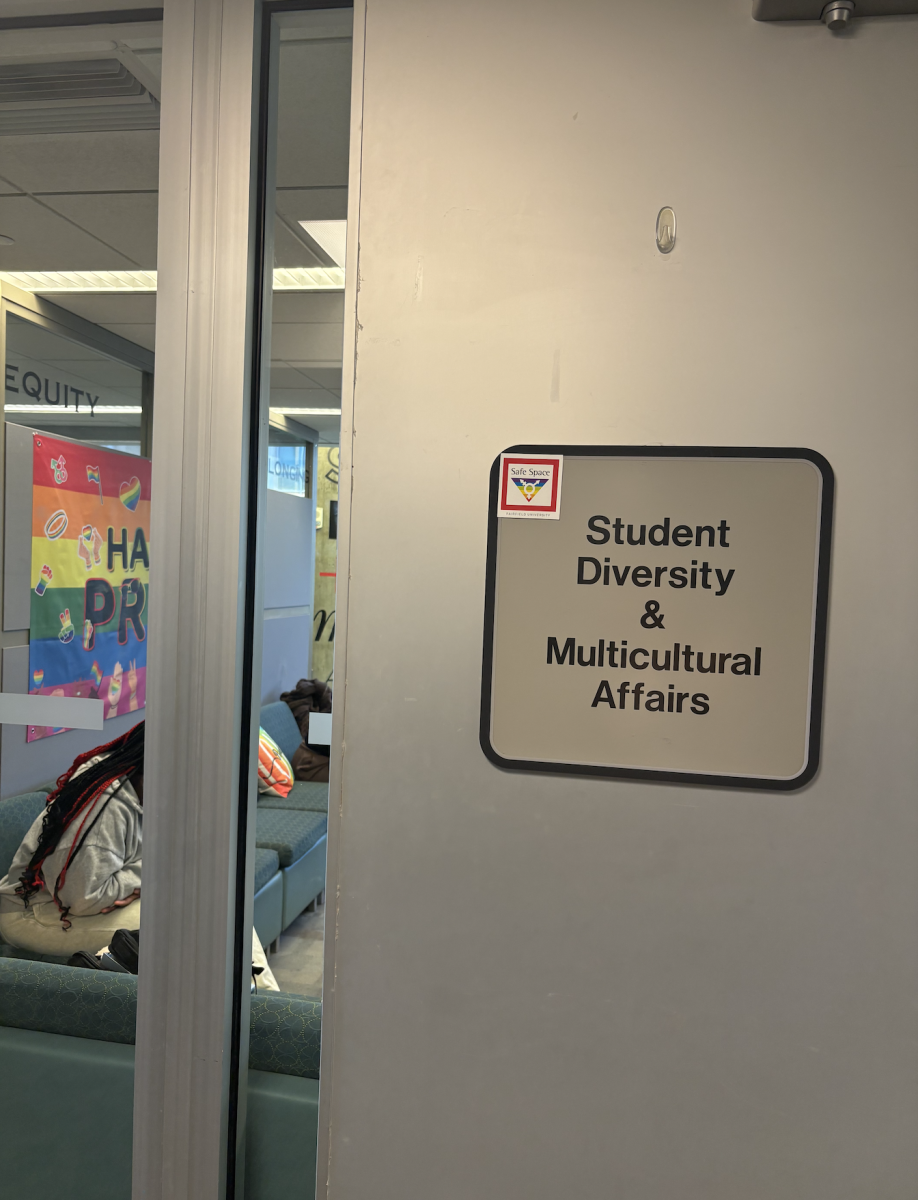
Don Sawyer, Fairfield University’s Vice President of Diversity, Equity and Belonging acknowledges awareness of the “national conversations around diversity, equity, and inclusion.” He states: “as is standard practice, we will continue to monitor policy changes, maintain compliance, and stay true to our mission.”
In an email late last week, Dean of Students William Johnson acknowledged that students may be feeling “a bit of fear” as they reentered campus for the spring semester. He recognized “how the past several weeks have been calm and relaxed for many students while troubling and uneasy for others students – particularly some of those who are immigrant, international, or undocumented students, or students of color.”
Jesuit traditions are the basis for creating an inclusive community at Fairfield, according to Sawyer, and he references the Universal Apostolic Preferences as the principles that “inform our commitment to creating an environment that supports the success of ALL members of our community.”
However, student leaders engaged in affinity clubs across campus note that the general student population at Fairfield are averse to DEI programming, believing that it is only meant for certain students.
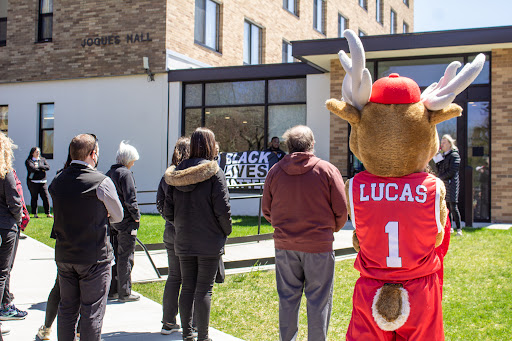
Senior Mishell Pringle, historian of the Black Student Union references a post made on Fizz last year that stated: “To the Black Student Union, stop sending us emails about events. We’re not Black, and we’re not going.”
Pringle negates that clubs like BSU are exclusionary. Instead, she emphasizes that BSU “actively champions DEI by promoting events and initiatives that aim to bring people together across race, gender, class, and more. We invite everyone—regardless of their background—to participate.”
However, Pringle goes on to say that “despite these efforts, there is a noticeable lack of engagement from white students, who often feel our events are not for them simply because our organization has “Black” in its name.”
In an interview with The Mirror last year regarding Sawyer’s inaugural role which began in July, 2023, he corroborated Pringle’s experiences. “When people hear terms like ‘DEI’ or ‘social justice,’ there’s an assumption that the role is there just for students of color and people from underrepresented populations. But, the role is more universal.”
At Fairfield University, 75.3% of the population identify as white, qualifying it as Predominantly White University according to Data USA published in 2022. That data adds that 8.69% are Hispanic or Latino, 7.69% are “non-resident Alien”, 3.67% are Asian, 3.13% are Black or African American, 11.24% “Two or More Races”, and American Indian/Alaska Native or Native Hawiann or Other Pacific Islanders making up less than 1% of the population.
Pringle concludes that “Our goal has always been to foster inclusion, and DEI is about breaking down these barriers and encouraging participation and understanding across all groups, which remains a challenge at Fairfield.”
But she says it is a challenge they “are committed to working through.”