



















As March rolls in, so does a familiar feeling of burnout many students face at some point during the school year. The midpoint of the semester often brings a mix of heavy workloads, lingering winter fatigue, and the pressure to stay on track academically and finish strong. After weeks of cold weather and dreaded assignments, it’s no surprise that students start to feel stuck in a slump.
Mid-semester burnout happens for a few reasons. By this point, the initial motivation from the start of the term has worn off, while exams, projects, and deadlines begin to pile up. On top of that, the long stretch of bitter cold weather this year and numerous snow storms has kept many students indoors, limiting opportunities to reset mentally. Without breaks or changes in routine, stress and burnout can build quickly.
Spring break, while meant to offer relief, can sometimes make things more difficult. Once students step away from their responsibilities, it can be challenging to jump back into structured schedules. “After spring break, it’s honestly harder to get back into the routine of school,” said senior Lauren Stewart. “You get used to having free time, and then suddenly you’re expected to be fully productive again. It takes a while to adjust.”
However, the shift in seasons also offers a natural opportunity for a reset. Warmer weather and longer days encourage students to step outside, which can have a noticeable impact on both mood and productivity. Even small changes like taking a walk, studying outside, or spending time with friends can help break up the boredom of daily routines.
Students across different grades have found ways to manage this mid-semester slump. Rachel Esposito, a sophomore nursing student, shared how experience has helped her adapt. “I often find myself feeling stressed with the amount of work I am given each week, however since this is my second year, I am more aware of how to make a good routine that works for me and allows me to balance my schoolwork with my life outside of school. I always make time for myself to go to the gym or hang out with friends to get my mind off of studying and to get out of my room which definitely helps get rid of my stress.”
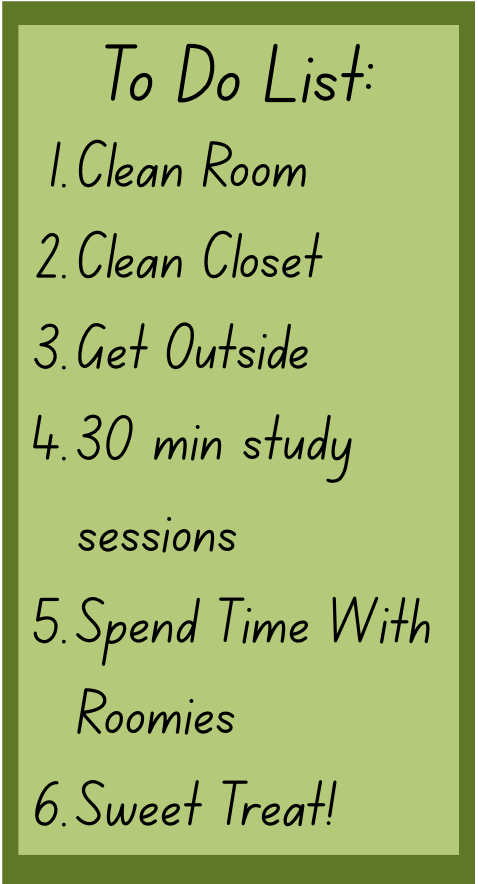
A few practical ways students are coping with the stress of the remaining semester include resetting their daily routines, prioritizing time management, organizing their dorms and rooms, and making space for regular breaks. Getting outside, even for a short period of time, can help improve focus and reduce stress. Many students also find that reworking their study schedules or setting smaller, more manageable goals makes their workload feel less overwhelming.
Ultimately, the “spring reset” is about recognizing when burnout is happening and taking intentional steps to recover. With warmer weather on the horizon and the end of the semester in sight, students have a chance to recharge, refocus, and finish strong.