






When I arrived at Fairfield University in 2022, being accepted felt like an achievement, but not an impossible one. The acceptance rate hovered around 52–55%, and about 15,000 students applied. My classmates were smart, driven, and social, but there was also a sense that Fairfield was a place you chose for the community just as much as the academics.
Four years later, that same school feels very different, at least on paper.
The incoming class now faces an acceptance rate closer to 25%, cut in half in just a few years, with more than 21,000 applicants competing for roughly 1,450 spots.
The academic profile has climbed to average GPAs around 3.9 and SAT scores in the 1310–1420 range, when, during the 2022 applicant pool, SAT scores meant very little. On top of that, tuition has risen to $61,390, with total costs pushing $81,000–$85,000 per year.
Yet despite the price, demand has never been higher, and about 93% of students still receive some form of financial aid.
All of this makes Fairfield look like a completely different institution; more selective, more expensive, more “elite.” But as someone who has actually lived here for four years, I’m not convinced the reality matches the image.
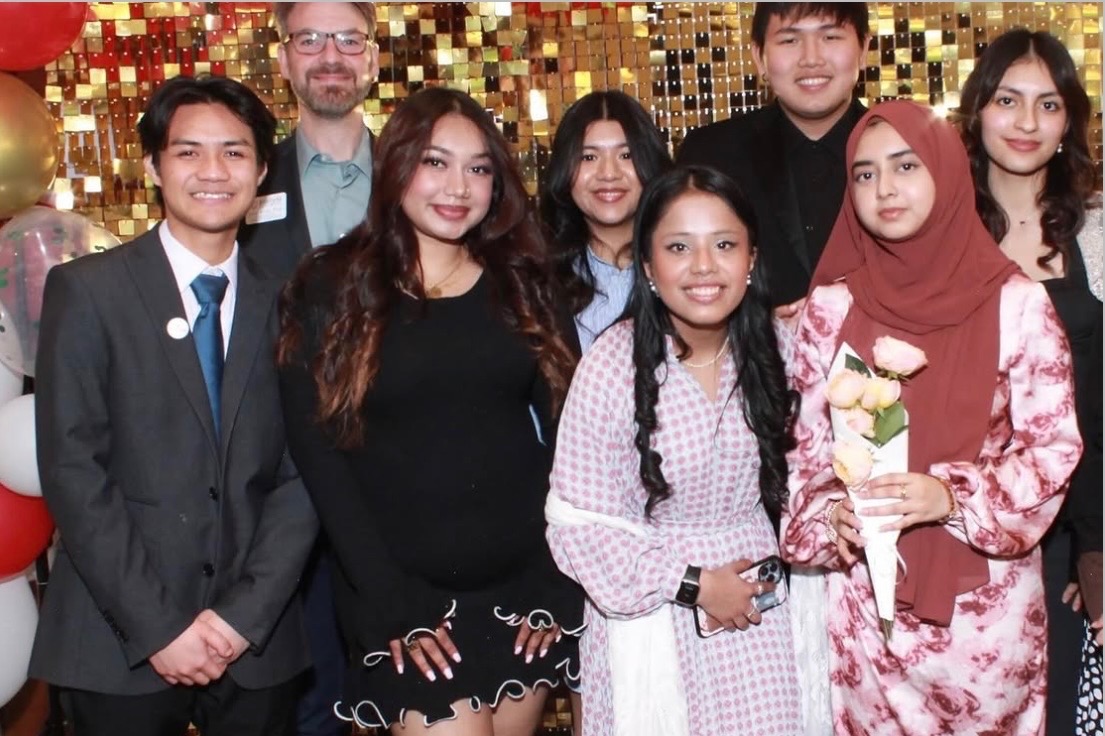
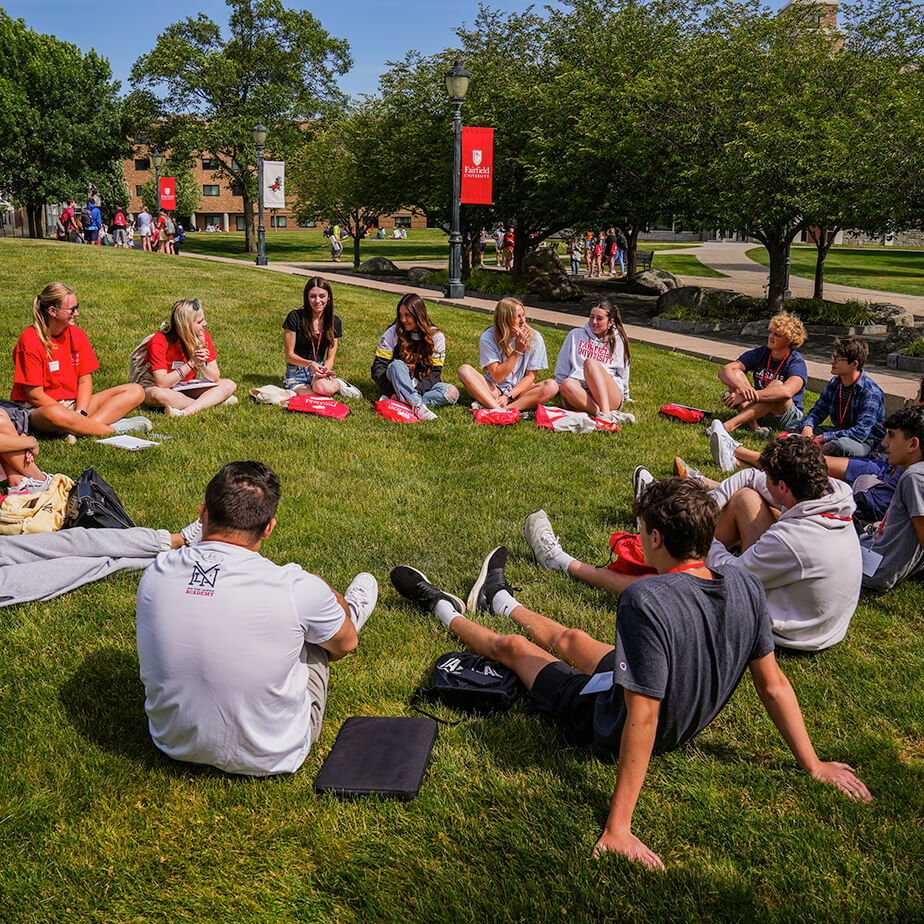
What makes Fairfield special isn’t something you can quantify in acceptance rates or test scores. It’s the fact that people genuinely know each other. It’s the kind of place where, even as a senior, I’m still meeting new people and forming new friendships. There’s a sense of openness and connection that’s hard to find, especially at a school of around 5,000 undergraduates. People get along. They show up for each other. That hasn’t changed.
And that’s why I find the shift in numbers both impressive and a little misleading.
Yes, Fairfield is harder to get into now. Yes, the incoming class looks stronger on paper. But the core experience, the tight-knit community, the social atmosphere, the feeling that you belong here, feels remarkably consistent. If anything, that’s what continues to drive the surge in applications. People aren’t just applying because it’s selective; they’re applying because they hear what it’s actually like to be here.
At the same time, the rising cost is impossible to ignore. Paying over $80,000 a year for any college raises serious questions, no matter how strong the community is. The fact that demand keeps increasing suggests that families see value in a Fairfield education, but it also makes me wonder how long that trend can continue before the price outweighs the experience.
Looking back, I don’t think Fairfield has fundamentally changed as much as the statistics suggest. It hasn’t suddenly become a different school; it’s become a more in-demand version of the same one. The people, the culture, and the day-to-day experience still define it far more than acceptance rates ever could.
So while Fairfield may now look more elite from the outside, what actually matters hasn’t changed. And in my opinion, that’s the real reason so many more people are trying to get in.