



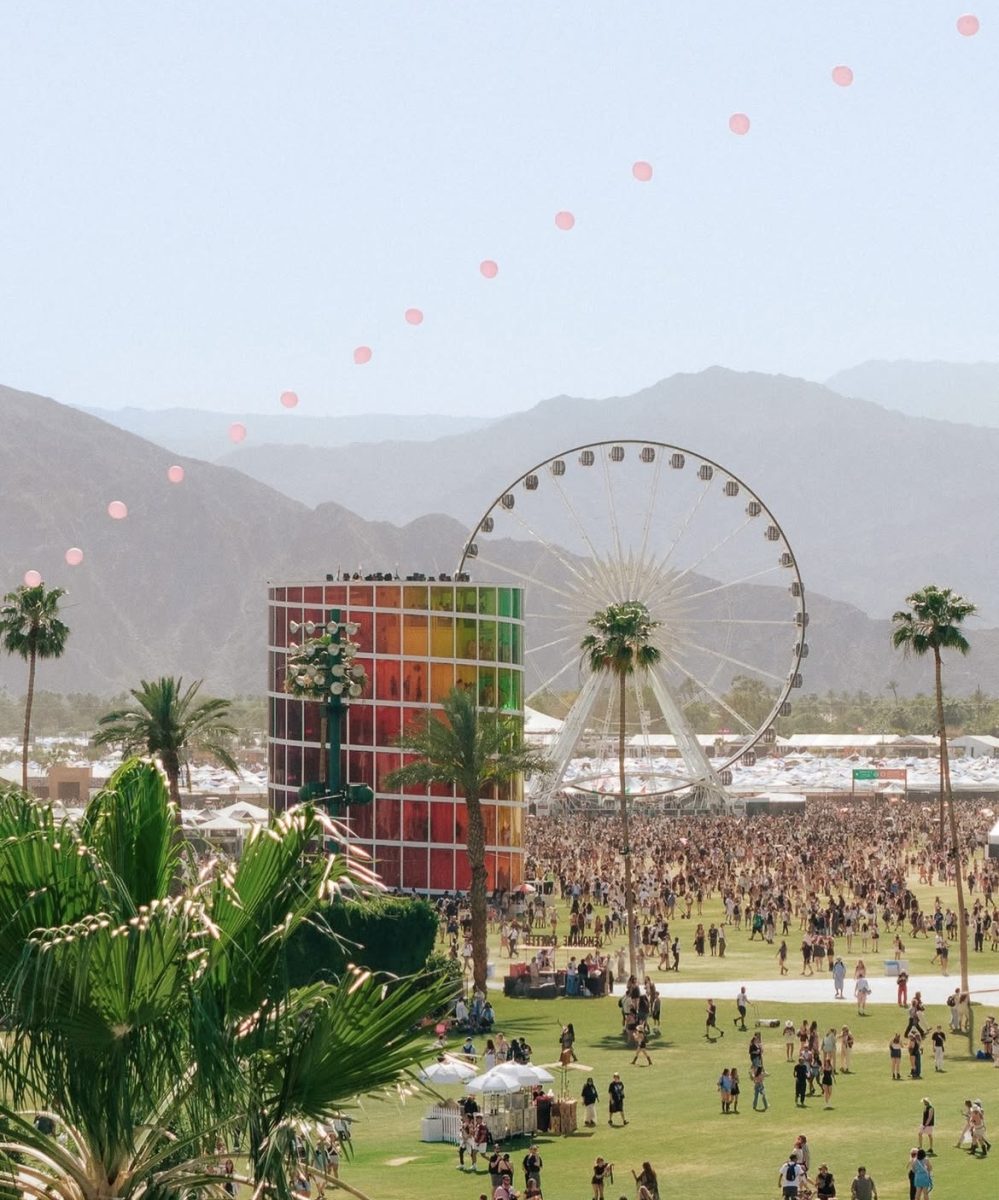
Some say that “2026 is the new 2016,” as internet users have brought back the aesthetics and vibes of 2016. Fans are saying Coachella 2026 brought back the same kind of energy that made Coachella 2016 feel so unforgettable. Influencers, celebrities and content creators have channeled their inner 2016 during this year’s Coachella, wearing boho-chic outfits, flower crowns and even carrying around the iconic Unicorn Frappuccino.
Yet the most important part of 2016’s Coachella was the carefree energy and focus on the music, making it a nostalgic and popular era to look back on.
Fast forward to 2026, and the question practically asked itself: Was this year’s Coachella actually channeling 2016 vibes like the internet is declaring, or has it fully transformed into what many are now calling the “Influencer Olympics?”
As I was scrolling through TikTok during the festival, a pattern became fairly obvious. I saw a large surplus of videos revolving around house or “villa” tours bought by a brand, brand-sponsored gifting suites and outfit reveals from personalized stylists that most likely cost over a grand. One Reddit user on a chain regarding this year’s Coachella commented, “No one goes for the music – it’s a fashion show and Influencer Olympics.” Harsh, maybe, but not entirely off base.
What’s even more striking is how openly some influencers have discussed their motivations for attending the festival. Several creators admitted that they weren’t even planning to attend until brands reached out with last-minute invitations.
The shift from wanting to go for the experience to only going because you’re being paid ruins the entire energy of the event. It has all become way too transactional and inauthentic.
That practically sums up the core issue: Coachella doesn’t just feel different; it feels manufactured.
Some influencers reportedly receive anywhere from $10,000 to $50,000 in brand deals tied to the festival, covering everything from flights to luxury accommodations. In return, they produce content that promotes those brands. On paper, it’s just marketing. But in practice, it creates this strange, almost dystopian dynamic where every moment is content, every outfit is an ad and every experience is filtered through a lens of performance. If phones were banned, I wonder how many of these influencers would still go.
I feel like that statement gets at something deeper than just Coachella. It’s about authenticity – or the lack thereof. Audiences today are hyper-aware. They can tell when something is staged, overly edited or driven by obligation rather than genuine excitement. As one YouTube critique put it, “You’re not influencing anyone. Why is everything an ad or a commercial nowadays?” Skepticism is growing, and it’s starting to push back against the very system that created influencer culture in the first place.
But in all honesty, placing the blame on influencers is too easy – and not entirely fair. This ecosystem exists because people engage with it. Brands invest in influencers because it works. Views translate to visibility, and visibility to sales. Audiences, whether they love it or hate it, are still watching. In a way, the “Influencer Olympics” isn’t just created by influencers – it’s sustained by everyone participating in the cycle.
Yet, there are glimpses of something different. Some creators – and notably, certain brand campaigns – have started leaning into a more authentic approach. Pinterest encouraged its sponsors to live in the moment, use digital cameras instead of phone filming and share content after the fact about how the experience resonated with them, rather than in real time.
This feels closer to the spirit of 2016 – less pressure and more presence.
That’s what people seem to be craving again. Not perfection, but reality. Not a brand activation, but a genuine, real experience. I want to view Coachella through the lens of someone who is actually enjoying their experience.
There’s also a growing distinction between “influencers” and “creators,” as I myself and many other users have noticed. The latter tend to prioritize documenting their experiences as they happen, with minimal editing, and then return to enjoying the moment. I think that’s the kind of content that resonates with audiences more because it feels honest. Overall, it’s not about selling a lifestyle; it’s about sharing one. It’s important for influencers nowadays to know their audiences – not everyone resonates with a luxury, all-expenses-paid trip to Coachella.
At its best, Coachella was never just about outfits or exclusivity; it was about the music, community and a shared cultural moment. Whether it can return to that is unclear. But one thing is certain: audiences are paying attention, and they’re starting to push back against the overly curated, brand-heavy version of the festival.