
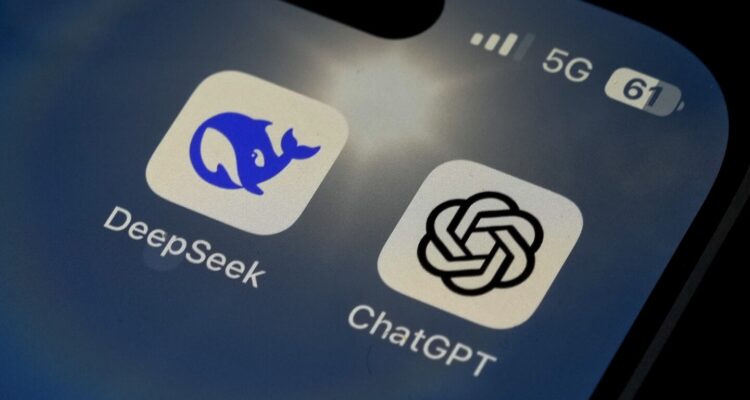
In the rapidly evolving world of AI-driven writing tools, two major players, DeepSeek and ChatGPT, have emerged as popular choices for students and researchers. Both tools promise to enhance the academic process, from brainstorming ideas to refining final drafts. But how do they actually compare when it comes to academic writing? A new challenge university professors face is distinguishing original writing from AI productions. After comparing the development of written assignments by both tools, a clear distinguishment between strengths and limitations can be revealed.
When it comes to usability, both DeepSeek and ChatGPT offer intuitive interfaces that make them accessible to students at any level. ChatGPT is known for its conversational style, making it feel like you’re working with a virtual study partner. You can ask follow-up questions, clarify points, and refine responses in real-time. DeepSeek, on the other hand, is designed to be a more structured tool, often providing more direct responses without as much back-and-forth interaction. This can be great for students who prefer efficiency, but it might feel less dynamic for those who enjoy an interactive brainstorming session.
One of the biggest considerations for students using AI in their writing is the tool’s ability to produce well-structured, clear, and academically appropriate text. Both tools excel in different areas. ChatGPT shines in generating detailed explanations, rewording complex ideas, and offering stylistic improvements. It can also mimic different writing tones, which is helpful for students trying to refine their academic voice. DeepSeek is particularly strong in structuring information efficiently and summarizing content concisely. If you need a quick outline or synthesis of key points, DeepSeek can provide a well-organized starting point.
A major challenge in academic writing is ensuring that AI-generated content aligns with credible research sources. While both DeepSeek and ChatGPT can summarize concepts well, neither replaces direct engagement with scholarly materials. ChatGPT is more versatile in offering context and background on various topics, but it requires users to fact-check and supplement with proper citations. DeepSeek, while often providing clear and structured responses, similarly does not automatically link verified sources. This means that students still need to critically engage with their research to ensure accuracy.
Despite their advantages, both tools come with some limitations that students should be mindful of. AI-generated content can sometimes include outdated or incorrect information, so it is always important to cross-check facts with reliable academic sources. Additionally, neither DeepSeek nor ChatGPT can generate proper citations for scholarly work, meaning students must manually verify sources and format references correctly. Another concern is originality; while both tools can assist with drafting, they do not replace original thought and analysis. Universities emphasize critical thinking, so AI should be used as a supplement rather than a substitute for personal engagement with the material.
So which AI tool is better for academic writing? The answer depends on what you need. If you’re looking for a conversational assistant that helps refine ideas and offers stylistic flexibility, ChatGPT is a solid choice. If you prefer a tool that provides structured responses and efficient summaries, DeepSeek might be more up your alley. Either way, the key takeaway is that while AI can be a powerful aid in the writing process, it should be used thoughtfully and in combination with traditional research and critical analysis. Ultimately, academic writing is about developing your own voice and engaging deeply with the material. AI tools can help along the way, but they should never replace the thinking and creativity that make your work truly your own.
Leave a Reply